

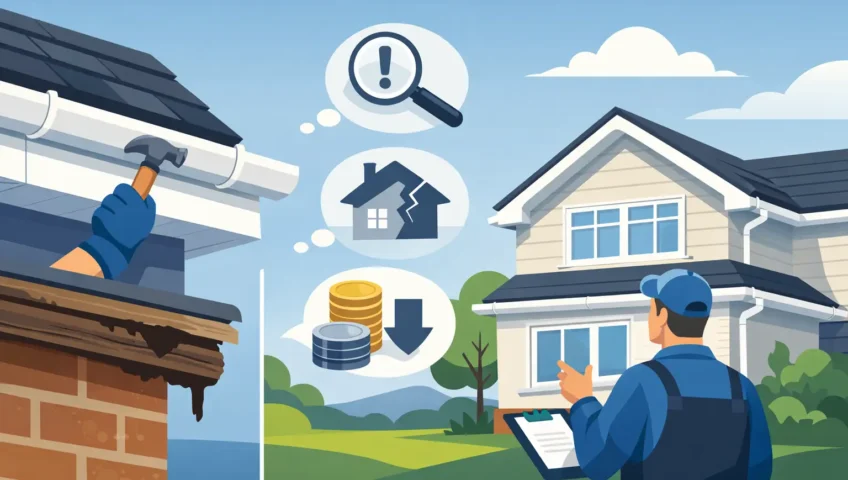
Rotten timber fascias, sagging guttering and peeling paint rarely stay cosmetic for long. Once the roof edge starts to fail, water can get where it should not, birds and insects find entry points, and regular maintenance becomes a repeating cost. That is why pvc roofline replacement is often one of the most practical upgrades a property owner can make, especially on older homes where the original timber has reached the end of its life.
For many homeowners, the issue starts with a simple leak or overflowing gutter. The inspection then shows the real problem – the boards behind the guttering are soft, cracked or no longer giving proper support. In other cases, the roofline still looks passable from the ground, but years of weather have weakened it enough that repairs become short-term fixes. Replacing the roofline with modern PVC gives you a cleaner finish, far less upkeep and better protection around the edges of the roof.
What pvc roofline replacement actually includes
When people talk about roofline work, they are usually referring to fascias, soffits, bargeboards and guttering. The fascia is the main board fixed along the roof edge, and it supports the bottom row of tiles as well as the guttering. The soffit sits underneath that overhang and helps protect the roof structure while allowing ventilation where needed. Bargeboards finish the gable ends.
A proper pvc roofline replacement is more than just covering over old timber with a plastic capping board. In many cases, the old timber should be removed altogether so the condition of the rafter ends and roof edge can be checked. If there is hidden rot, trapped moisture or pest damage, that needs sorted before new materials go on. This is one reason why price comparisons can vary so much – not every contractor is pricing for the same standard of work.
For customers who want the job done once and done properly, full replacement usually makes more sense than a cosmetic overclad. It gives a stronger fixing for the guttering, a tidier finish and a longer-lasting result.
Signs you may need pvc roofline replacement
Some warning signs are obvious. Paint keeps flaking no matter how often it is redone, the guttering pulls away from the wall, or timber feels soft when touched. Others are easier to miss until the problem becomes more expensive.
If you notice water marks on external walls, damp around the top of internal rooms, birds getting into the eaves, or visible gaps at the roof edge, it is worth getting the roofline checked. Poor ventilation can also show up as condensation problems in the loft. A failing soffit system can contribute to that, particularly on older properties that were not built with modern ventilation standards in mind.
Age matters too. If the roofline has been patched several times over the years, or it still has original timber boards on an older house, replacement can be more cost-effective than continued repairs. A small repair bill every year soon adds up, and you still end up with ageing materials underneath.
Why homeowners choose PVC over timber
The main reason is simple – less maintenance. Timber can look good, but it needs regular preparation, painting and repair if it is going to stand up to Scottish weather. PVC does not rot, does not need painting and is much easier to keep clean.
That does not mean every PVC product is equal. Better systems have stronger boards, cleaner joints and more reliable fixings. The installation also matters just as much as the material. A poor fitting job can still leave you with leaks, inadequate support or ventilation issues.
Appearance is another factor. Modern PVC roofline products give a neat, consistent finish that can lift the whole look of a property. White remains the most common choice, but there are other colours and styles available depending on the house and the finish you want. On some properties, a straightforward white system is the best value. On others, especially where appearance matters for kerb appeal or tenancy standards, upgraded finishes can be worth considering.
PVC roofline replacement cost – what affects the price?
This is the question most customers ask first, and fairly enough. The honest answer is that it depends on the size of the property, the amount of access needed and the condition of what is underneath.
A simple straight run on an accessible house is very different from a larger detached property with multiple gables, conservatories below, awkward access or damaged roof timbers. If scaffold is required, that will affect the cost. So will replacing guttering and downpipes at the same time, which is often sensible if the existing system is old or mismatched.
The biggest pricing mistake customers can make is comparing a proper removal-and-replace job with a cheaper quote that only caps over existing timber. On paper, the lower price looks attractive. In practice, if the timber beneath is already failing, the problem has not been solved. You may get a tidier appearance for now, but not the lifespan or structural reliability you expected.
A written quote should be clear about what is included – removal of old boards, disposal of waste, any repairs to roof edge timbers, new fascias and soffits, guttering if applicable, and access equipment. If that detail is missing, ask for it.
What happens during a pvc roofline replacement?
The first step should always be an inspection. That allows the contractor to see whether the issue is limited to the roofline or whether there are related problems with tiles, felt, flashing or gutter falls. It is common for roofline defects to overlap with roofing defects, especially where water has been getting in over time.
Once the work starts, the old fascias and soffits are removed so the roof edge can be checked. Any damaged timber at the rafter ends should be repaired before the new system is installed. The new fascias and soffits are then fitted, along with ventilation where needed, followed by guttering and downpipes if these are being replaced as part of the job.
A good installation should leave the roof edge secure, straight and watertight, with guttering properly aligned to carry water away. It should also improve the overall appearance of the property, not just from the front but all around the building.
For customers in places like Glasgow and Hamilton, weather exposure is a real consideration. Heavy rain and wind can quickly show up weak points in the roofline, so getting the details right matters.
Repair or full replacement – which is better?
There are cases where repair is enough. If one section has been damaged by impact, a joint has failed, or a relatively modern gutter bracket has come loose, a local repair can be the right choice. Not every roofline problem means a full replacement is needed.
But where the boards are older, timber is rotting, or multiple sections are failing, replacement usually offers better value. It deals with the underlying issue rather than stretching out a series of small jobs. This is especially true for landlords and property managers who need dependable results and do not want recurring maintenance calls.
The right answer depends on condition, not guesswork. That is why a proper inspection matters. A reliable contractor should tell you if a repair will do the job instead of pushing replacement where it is not necessary.
Choosing the right contractor for pvc roofline replacement
Roofline work can look straightforward from the ground, but it affects drainage, ventilation, roof support and the long-term condition of the property. It is not a job to hand over on the basis of a quick verbal price alone.
Look for a contractor who explains the difference between capping and full replacement, provides a free written quote and is clear about guarantees. Experience with roofing also helps, because roofline defects often sit alongside slipped tiles, damaged felt and other roof edge problems. A team that understands the whole system is in a much better position to spot issues before they become expensive.
Local reputation matters as well. Property owners want tradespeople who turn up, do the work properly and stand by it. That is one reason family-run firms such as Varey Contracts Ltd appeal to homeowners and property managers alike – the service is practical, direct and built around getting the job sorted without fuss.
Is pvc roofline replacement worth it?
If your existing roofline is failing, the answer is usually yes. It protects the property, cuts ongoing maintenance and improves appearance in one job. It can also prevent larger repair costs by stopping water from getting into roof timbers, wall heads and eaves.
Like most exterior work, the value comes from timing. Leave it too long and a straightforward replacement can turn into a wider repair project. Deal with it early and you keep control of both cost and disruption.
If you have noticed signs of damage, the best next step is a proper inspection and a clear written quote. A good roofline should quietly do its job for years. If yours is no longer doing that, replacing it now can save a lot of trouble later.


