

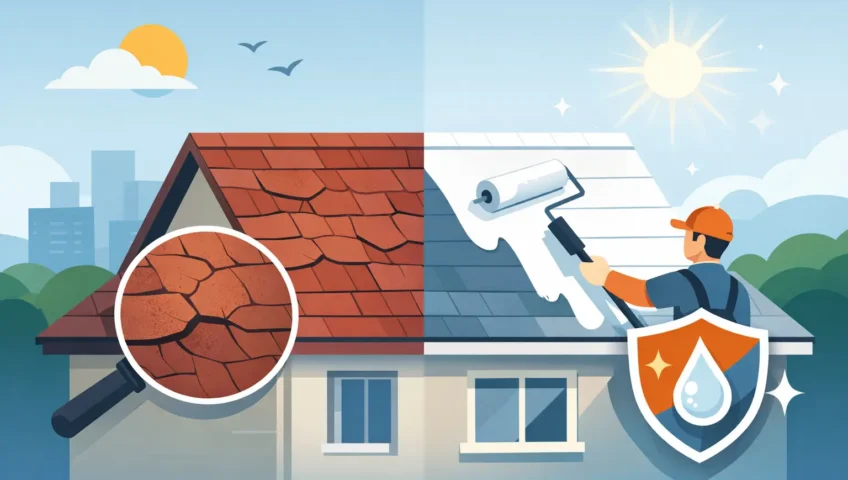
A full roof replacement is one of the bigger property costs most owners hope to avoid for as long as possible. That is why so many people ask, is roof coating worth it? The honest answer is yes in the right situation, but not every roof should be coated, and a poor-quality job can leave you paying twice.
If your roof is weathered but still structurally sound, a coating can be a cost-effective way to extend its life, improve appearance and add another layer of protection against the Scottish climate. If the roof is already failing, though, coating over the problem is not a saving. It is a delay.
Is roof coating worth it when compared to replacing the roof?
For many property owners, this is the real question. They are not comparing coating with doing nothing. They are comparing coating with the much higher cost and disruption of a full replacement.
In those cases, roof coating can be worth it if the existing roof still has usable life left in it. A suitable coating system can seal the surface, reduce water penetration, slow down further deterioration and improve the overall look of an older roof. On homes where the tiles have become porous or the finish has badly faded, that can make a noticeable difference without the expense of stripping everything off and starting again.
That said, coating is a restoration option, not a miracle cure. If tiles are cracked beyond repair, underlay has failed, battens are rotten or there are ongoing leaks caused by structural issues, the money is often better spent on repairs or replacement. A coating only performs properly when it is applied to a roof that is fundamentally sound.
What a roof coating actually does
A lot of confusion comes from the way roof coatings are marketed. Some are sold as if they solve every roofing problem. In practice, a good roof coating is there to protect and preserve.
It can help reduce surface wear, limit moisture absorption and give older tiles a renewed protective finish. On some roofs it also helps slow moss and algae build-up, especially when combined with proper roof cleaning beforehand. Visually, it can freshen the appearance of a tired roof and make the whole property look better maintained.
For flat roofing systems, specialist coatings can also help prolong the life of certain surfaces by improving waterproof performance and shielding them from further weathering. Again, the key point is suitability. Different roof types need different materials, and not every surface should be treated in the same way.
When roof coating is worth it
Roof coating tends to offer the best value when the roof is ageing rather than failing. That might mean the tiles are looking worn, the original finish has broken down, or the roof has started absorbing more moisture than it should. In those situations, coating can be a sensible middle ground between minor maintenance and full replacement.
It is often worth considering when you want to improve kerb appeal before selling or letting a property, when you are trying to get more years from a roof that is not yet at end of life, or when you want to reduce future maintenance by protecting the surface now.
It can also make sense after repair work has been completed. If damaged areas have been dealt with properly, coating the rest of the roof can help create a more consistent finish and add further protection across the whole area.
For homeowners and landlords in places like Glasgow and Lanarkshire, where roofs take a steady battering from wind, rain and moss growth, preventative work often pays better than waiting until water starts coming in.
When roof coating is not worth it
There are cases where coating is simply the wrong choice. If the roof has active leaks, sagging sections, widespread broken tiles, failing flashing or hidden water damage beneath the surface, coating should not be the first recommendation.
The same applies if a contractor suggests coating without a proper inspection. A roof should be checked closely before any recommendation is made. If someone is pushing a coating as a quick fix without discussing condition, repairs or preparation, that is usually a warning sign.
Coating is also poor value when preparation is skipped. A roof needs to be cleaned correctly, repairs need to be completed first, and the coating needs to suit the material underneath. If any of those stages are rushed, the finish may not bond properly or last as expected.
The biggest factor is the condition of the roof underneath
This is where honest advice matters. Two roofs can look equally tired from the ground and need completely different solutions.
One might only need cleaning, a few repairs and a protective coating to gain several more years of service. The other might have deeper issues that a surface treatment cannot solve. Without getting up close and checking the roof properly, it is impossible to know which is which.
That is why coating should never be sold as a one-size-fits-all service. The value comes from applying it to the right roof at the right time. Done properly, it can save money. Done blindly, it can hide defects until they become more expensive.
Is roof coating worth it for tiled roofs and slate roofs?
On concrete tiled roofs, coating is often a practical option when the tiles have become porous or weathered but remain intact. A professional clean followed by the right coating can help restore protection and appearance.
On slate roofs, more care is needed. Natural slate behaves differently, and not every slate roof should be coated. In some cases, coating can interfere with the natural character and performance of the material. If you have a slate roof, the question is less about whether coating is good in general and more about whether it is appropriate for that specific roof.
This is another reason a proper inspection matters. The right advice depends on the roof covering, the age of the roof and its current condition.
Cost versus lifespan
Most customers asking about roof coating are really asking whether the spend is justified. That depends on what you get in return.
If coating buys you a few extra months, it is hard to argue the value. If it gives a well-maintained roof several more years of useful life, improves protection and helps delay a full replacement, the numbers look much better.
The mistake is looking only at the price of the coating itself. The real comparison is between coating now, carrying out repairs later, or replacing the roof entirely sooner than necessary. In many cases, the coating route works because it spreads costs more sensibly and helps you avoid larger expenditure before it is actually needed.
Still, it is worth being realistic. Roof coatings are not permanent. They are part of a wider maintenance strategy. If you expect a coating to make an old failing roof perform like a brand-new installation, you will be disappointed.
Workmanship matters as much as the product
Even a high-quality coating will underperform if the preparation is poor. Cleaning, repair work and correct application all affect the final result.
A reliable contractor should explain what condition the roof is in, what repairs are needed before coating, what product is being used and what result you can reasonably expect. Guarantees, written quotes and clear recommendations matter here because they show the work is being priced and planned properly rather than sold on pressure.
For a family-run company like Varey Contracts Ltd, that practical approach is a big part of getting the result right. Customers do not need hard selling. They need straight answers about whether a coating is genuinely worthwhile on their roof.
So, is roof coating worth it?
Yes, if the roof is a good candidate and the work is carried out properly. No, if it is being used to cover up defects, avoid necessary repairs or postpone a replacement that is already overdue.
The best way to look at it is as a protective investment rather than a shortcut. On the right roof, coating can improve appearance, add weather resistance and extend service life at a far lower cost than replacement. On the wrong roof, it is money spent on the surface while the real problems remain underneath.
If you are unsure, the sensible next step is not guessing from the ground. It is getting the roof checked by an experienced contractor who will tell you plainly whether coating, repair or replacement gives you the best value. A good roof does not always need replacing, but it does need the right decision at the right time.


