

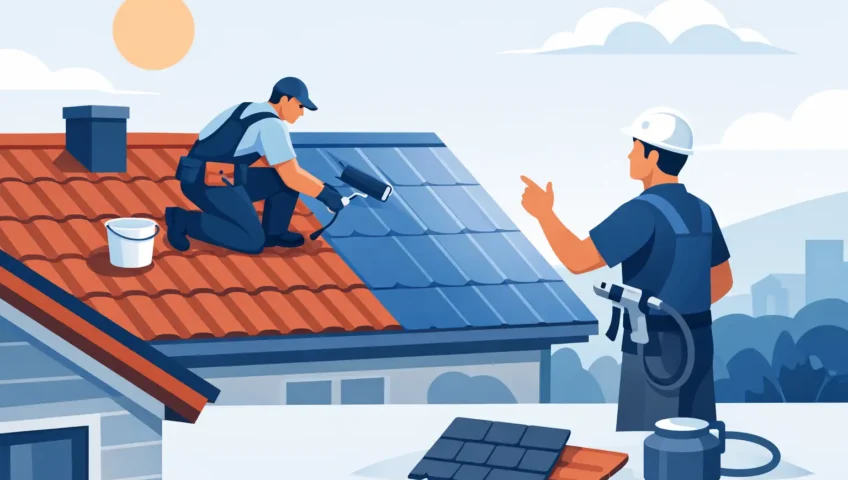
A roof can look tired long before it reaches the end of its useful life. Faded tiles, moss growth and a patchy finish often make homeowners fear the cost of replacement, but domestic roof coating specialists can provide a more cost-effective answer where the roof structure is still sound. The key is getting an honest assessment first. A coating should protect a suitable roof, not hide faults that need repaired.
For properties across Glasgow, Hamilton and Lanarkshire, that distinction matters. Years of rain, frost, wind and organic growth can take their toll on roof coverings. A professional coating system can refresh the appearance of a roof and add another layer of weather protection, but only after proper preparation and any necessary repairs.
What domestic roof coating specialists actually do
Roof coating is not simply painting tiles from a ladder. A lasting result depends on the condition of the roof, the preparation work and the coating product selected for the material. An experienced contractor starts by checking the roof covering, ridges, valleys, flashings, verges, guttering and roofline for signs of failure.
If broken tiles, loose ridge mortar, damaged flashing or active leaks are present, these issues should be dealt with before coating begins. This is where a full-service roofing contractor has a real advantage: the same team can diagnose the fault, carry out the repair and advise whether coating remains worthwhile.
Once the roof is confirmed as suitable, the usual work involves careful cleaning to remove moss, algae, lichen and surface dirt. The roof must then be allowed to dry properly. Minor defects are repaired, loose material is secured, and a compatible coating system is applied evenly to create a clean, protective finish.
A quality coating can improve the roof’s resistance to moisture absorption and discourage rapid regrowth of moss and algae. It can also restore a more uniform colour where weathering has left tiles looking uneven. However, no coating can strengthen rotten timbers, correct a badly sagging roof or make failed underlay watertight. Those problems call for roofing repairs or renewal, not a cosmetic treatment.
Is roof coating right for your home?
The best candidates are generally concrete tile roofs that are weathered but remain stable and serviceable. A roof may be suitable if the tiles are largely intact, the structure is sound, and water is draining correctly into clear gutters. In this situation, coating can be a sensible way to prolong the roof’s appearance and reduce the need for premature replacement.
It depends on the roof material and its history. Older slate roofs, for example, often need a different approach. Natural slate is valued for its long life and should not be coated simply to change its appearance. The right solution may be slate repairs, replacement of damaged slates, attention to flashings, or professional cleaning where appropriate.
The age of the roof is only one part of the decision. A ten-year-old roof with poor maintenance may need more attention than a much older roof that has been regularly checked. That is why an inspection is more useful than a guess based on how the roof looks from the ground.
Signs it is time to arrange an inspection
A roof coating assessment is worth considering when you notice several of the following issues:
- Heavy moss, algae or lichen spreading across tiles
- Fading, staining or an uneven roof colour
- Surface tiles that appear porous but are not cracked or slipping
- Water overflowing from blocked gutters or collecting at roof edges
- A roof that looks neglected despite having no obvious internal leak
These signs do not automatically mean coating is the answer. Moss can lift tiles and hold moisture against the surface, while overflowing gutters can cause damp problems around fascias and walls. Clearing the growth and addressing drainage may be the priority. A reliable roofer will explain the difference rather than recommending work the property does not need.
Preparation determines the result
The cleaning stage is where shortcuts cause trouble. Moss should be removed in a controlled way, with care taken around tiles, pointing, gutters and surrounding areas. Aggressive pressure washing can damage some roof coverings, dislodge mortar or force water where it should not go. The method must suit the roof rather than follow a one-size-fits-all process.
After cleaning, the roof needs a close second inspection. Surface growth can hide cracked tiles, weak ridges and failing mortar, so defects may only become clear once the roof is clean. Repairs at this stage protect the value of the coating work and help prevent water getting beneath the covering later.
Dry weather is also essential. Applying a coating to a damp roof, or rushing the job because rain is forecast, can affect adhesion and durability. Domestic roof coating specialists should be open about weather delays. In Scotland, waiting for the right conditions is part of doing the work properly, not a reason to compromise it.
Roof coating versus roof replacement
For many homeowners, the main question is cost. A coating and repair programme can be considerably less expensive than a full roof replacement when the existing roof still has years of service left. It improves kerb appeal, supports ongoing maintenance and can offer reassurance that the roof has been professionally checked.
Replacement is the better investment when there are widespread broken or deteriorating tiles, persistent leaks, damaged battens, failing underlay or structural concerns. Coating over these defects can delay the correct work and lead to greater expense later. An honest recommendation may be that only repairs are needed, that a coating is suitable after repairs, or that the roof has reached the point where renewal makes more sense.
Property owners should also be cautious about very low prices offered without a roof inspection. A quote should make clear what cleaning, repair work, preparation and coating application are included. It should also set out the expected finish and any guarantee offered. Comparing like for like is the only fair way to judge value.
Choosing a contractor you can trust
Roof work is difficult for most homeowners to inspect themselves, which makes trust especially important. Look for a local contractor with experience in both roof repairs and coatings, clear written quotations and examples of completed work. Customer reviews, guarantees and a willingness to explain the condition of the roof all provide useful reassurance.
It is also worth asking what happens if the inspection finds defects. A contractor that can handle tiles, slates, flat roofing, flashing, guttering, soffits and fascias can deal with the whole issue rather than treating one visible symptom. This saves time and helps ensure adjoining parts of the roof are not overlooked.
Varey Contracts Ltd provides free written, no-obligation quotes for homeowners and property managers who need straightforward advice on roof repairs, cleaning and coating. The aim should always be practical value: protect a sound roof where possible, and recommend more extensive work only when the evidence supports it.
A clean, well-maintained roof does more than improve the look of a property. It gives you a clearer view of its true condition and a better chance to deal with small issues before they become expensive ones. If your roof is looking weathered, arrange a professional inspection and make the decision based on what the roof needs, not on what a quick fix promises.


