

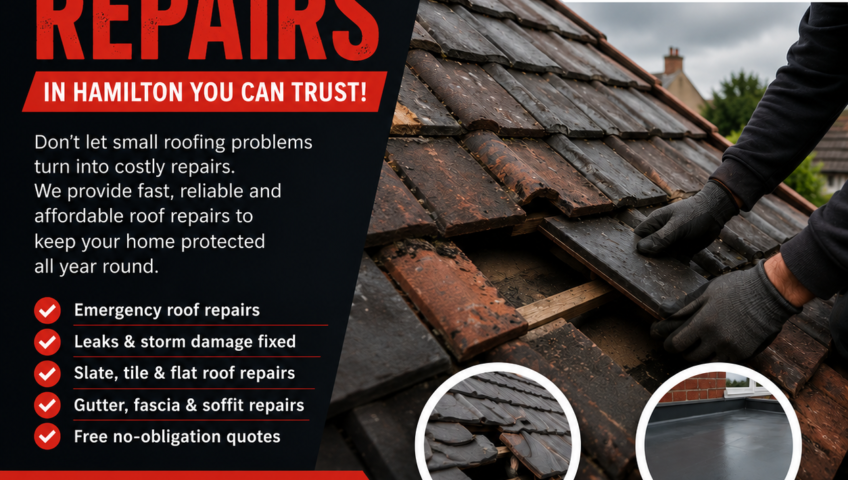
When your roof starts leaking or you spot slipped slates after another blustery Glasgow night, finding reliable roofers Glasgow West End homeowners can trust becomes an urgent priority. The West End’s architectural character is defined by its roofs: the grey-green slate expanses crowning red sandstone tenements, the intricate leadwork on blonde sandstone villas, and the dormer windows peering over tree-lined streets from Kelvinside to Dowanhill. At Varey Contracts, we have spent years maintaining, repairing, and replacing these roofs, understanding that each property demands more than generic roofing knowledge. It demands local expertise, traditional skills, and a genuine commitment to preserving the area’s built heritage. Whether you need an emergency repair, a full re-roof, or simply honest advice about your options, this guide covers what to expect, what it costs, and how Varey Contracts delivers quality workmanship across Partick, Hyndland, Kelvinside, and beyond.
Table of Contents
- Why Glasgow’s West End Roofs Need Specialist Care
- Full Range of Roofing Services for West End Homes
- How Much Do Roof Repairs Cost in Glasgow’s West End? (2026 Guide)
- Seasonal Roofing Advice for Glasgow Homeowners (2026)
- Insurance Claims and Tenement Roofing Regulations
- Frequently Asked Questions About Roofers in Glasgow West End
- Why Choose Varey Contracts as Your Local Roofer?
Why Glasgow’s West End Roofs Need Specialist Care
The West End of Glasgow is not a suburb of uniform housing estates. It is a conservation-rich district where Victorian and Edwardian tenements sit alongside grand terraces and detached villas, many constructed from the red and blonde sandstone that defines the city’s architectural identity. These buildings, for all their solidity and charm, present roofing challenges that a contractor accustomed only to modern tile roofs simply cannot address competently.
Natural slate is the predominant roofing material across the West End, and for good reason. Welsh slate, Scottish slate, and occasionally Westmorland green slate were used extensively during the area’s construction boom between 1870 and 1910. These slates can last well over a century if properly maintained, but they require specific skills to repair. Matching replacement slates by colour, thickness, and texture is essential to maintaining both weatherproofing and appearance. Lead flashings around chimneys, dormers, and valleys must be fabricated to fit the precise contours of each roof, a craft that takes years to master.
Common issues across the West End include slipped slates dislodged by the high winds that funnel through the grid of streets, cracked ridge tiles that allow water to seep into the roof structure, and blocked parapet gutters hidden behind sandstone coping stones. Moss growth is particularly aggressive in Glasgow’s damp climate, lifting slates and trapping moisture against the roof deck. Failed leadwork around chimney stacks is another frequent culprit behind damp patches on top-floor ceilings.
The demand for roofers in the West End has unfortunately attracted operators who lack the necessary expertise. Homeowners must be vigilant. A cheap repair that uses mismatched slates, inappropriate mortar on sandstone chimneys, or modern sealants instead of proper leadwork can cause long-term damage and devalue a property. For listed buildings, unauthorised alterations can lead to enforcement action from the council. Varey Contracts understands these constraints because we work within them every day. We know the roof pitches on Athole Gardens, the access limitations on Great Western Road, and the specific slate types found on the terraces of Hyndland.
Full Range of Roofing Services for West End Homes
Roof Repairs and Emergency Call-Outs
Storm damage is the most common reason West End residents pick up the phone. Glasgow’s weather is unforgiving, and a single night of high winds can dislodge slates, tear flashing, or send a chimney pot crashing into a close. Varey Contracts offers a rapid response service for these emergencies. Our first priority is always to make the roof safe and watertight, using temporary tarping where necessary to prevent interior water damage while a permanent repair is planned.
Leak diagnosis requires a methodical approach. Water ingress often appears far from its source, travelling along roof timbers or down internal walls before staining a ceiling. A cracked lead flashing around a chimney stack, a failed soaker in a valley, or a slipped slate high on the roof plane can all produce the same damp patch on a bedroom wall. We inspect thoroughly, tracing the water path rather than simply patching the visible interior damage.
Slipped slate replacement is one of our most frequent call-outs. The repair itself is straightforward for an experienced roofer, but the skill lies in sourcing a replacement slate that matches the existing roof. We carry a stock of reclaimed slates in common West End sizes and colours, and for larger repairs we can source specific matches from architectural salvage specialists.
Full Re-Roofing and Slate Replacement
When a roof reaches the end of its serviceable life, patching is no longer economical. A full strip and re-slate involves removing all existing slates, inspecting and repairing the timber sarking beneath, laying a modern breathable membrane, and then re-slating the entire roof plane. This is a significant investment, but it restores the roof for decades and provides an opportunity to upgrade insulation and ventilation.
Some West End properties have had their original slates replaced with concrete tiles at some point in the past, often as a cost-saving measure. While functional, concrete tiles are heavier than slate and lack the period appearance that buyers and conservation officers expect. We can advise on tile-to-slate conversions, including the structural assessment needed to ensure the roof timbers can support the change.
Every full re-roof includes proper waste management. We arrange skips, protect gardens and shared closes with sheeting, and leave the site clean. Scaffolding is erected by our approved partners, and we handle all necessary permits from Glasgow City Council.
Gutter, Chimney and Leadwork Specialists
Gutters in West End tenements are often concealed behind parapet walls, making them easy to ignore until water starts cascading down the building face. Blocked downpipes are a leading cause of penetrating damp in sandstone walls, as water saturates the stone and eventually finds its way inside. We offer gutter cleaning using jet-washing equipment, and we repair or replace cast-iron gutters where sections have cracked or joints have failed.
Chimney stacks are another West End vulnerability. Decades of exposure to rain, frost, and wind erode the mortar pointing between stones and the flaunching that secures chimney pots. Loose pots are a safety hazard, and water ingress through deteriorated pointing causes damp problems in rooms below. Our chimney work covers repointing, flaunching renewal, pot replacement, and bird guard installation.
Leadwork is the unsung hero of period roofing. Soakers, flashings, aprons, and valley linings all rely on correctly detailed lead to channel water away from vulnerable junctions. We fabricate leadwork on-site, cutting and dressing each piece to fit the specific profile of your roof. This traditional approach produces a better seal and longer lifespan than off-the-shelf alternatives.
Rope Access Roofing: A Cost-Saving Alternative
One of the most significant expenses in any roofing project is scaffolding. For a four-storey tenement on a narrow street with restricted pavement access, scaffolding costs can run into thousands of pounds before a single slate is touched. Rope access offers a practical alternative for many repairs.
Our trained rope access technicians use industrial abseiling techniques to reach chimneys, gutters, valleys, and roof slopes without the need for full scaffolding. The system is fully compliant with IRATA safety standards, and our operatives carry the same insurance coverage as our scaffold-based teams.
Rope access is particularly suitable for small to medium repairs: replacing a few slipped slates, repointing a chimney, cleaning gutters, or replacing lead flashings. It is also invaluable for inspections, allowing us to assess roof condition closely without the cost and delay of erecting scaffolding. For larger projects such as full re-roofs, scaffolding remains necessary, but for many West End homeowners, rope access can reduce project costs by 30 to 50 percent compared to traditional access methods. We will always advise the safest and most cost-effective option for your specific property.
How Much Do Roof Repairs Cost in Glasgow’s West End? (2026 Guide)
Pricing transparency is rare in the roofing industry, and we believe that is a disservice to homeowners. While every job is unique and requires an individual assessment, the following figures provide a realistic guide to what you can expect to pay in 2026 for common roofing work in the West End.
For small repairs, a slipped slate replacement typically costs between £80 and £150 per slate, including labour and access equipment. The variation depends on slate location, roof height, and whether rope access or scaffolding is required. Ridge tile re-bedding, which involves removing loose ridge tiles and resetting them in fresh mortar, ranges from £200 to £400 per section. Chimney repointing and flaunching renewal generally falls between £400 and £800, depending on stack size and condition. Lead flashing repair or replacement around a chimney or dormer costs between £300 and £600.
Full re-roofing is a more substantial investment. For a standard West End terrace or tenement roof, expect costs between £6,000 and £12,000. The final figure depends on roof size, slate type, the condition of the underlying sarking, and scaffolding complexity. Natural Scottish or Welsh slate costs more than synthetic alternatives, but it offers superior longevity and appearance. If your property is listed, you may be required to use specific materials, which can affect the budget.
Several factors influence why costs vary between properties. Access difficulty is the biggest variable: a roof that can be reached with rope access will cost significantly less to repair than one requiring full scaffolding over a busy pavement. Material sourcing matters too, particularly for period properties where matching slate must be located. Planning permission for listed buildings can add time and administrative costs, though we handle this process on your behalf.
Varey Contracts provides free, no-obligation quotations for all work. Every quote is itemised, showing labour, materials, access equipment, waste disposal, and VAT separately. There are no call-out fees, no hidden charges, and no pressure to proceed.
Seasonal Roofing Advice for Glasgow Homeowners (2026)
Timing roof work around Glasgow’s weather patterns can save money, reduce disruption, and extend the life of your repairs. Understanding the seasonal rhythm of roofing helps you plan maintenance proactively rather than reacting to emergencies.
Autumn preparation, from September through November, is the most critical period for West End homeowners. Leaves from the area’s abundant plane trees and garden shrubs clog gutters rapidly, and once blockages form, water overflows onto walls and into roof spaces. Book a gutter clearance and roof inspection before the winter storm season begins. Demand for roofers spikes in October and November, so arranging this in September gives you a head start.
Winter, from December to February, brings freeze-thaw cycles that are particularly damaging to slate roofs. Water seeps into tiny cracks in slates and mortar joints, freezes and expands, then thaws and contracts. Over repeated cycles, slates crack and mortar crumbles. Ice dams can form in valleys, forcing meltwater back under slates and into the roof structure. We strongly advise against DIY roof repairs in icy conditions; the risk of injury is severe, and temporary fixes applied in freezing temperatures rarely hold.
Spring, from March to May, is the ideal season for repairs identified during winter. Milder temperatures allow mortar to cure properly, leadwork to be dressed without brittleness, and roofing membranes to be installed in dry conditions. Scheduling repairs in spring also prepares your roof for the following winter.
Summer, from June to August, offers the best window for full re-roofing projects. Longer daylight hours allow for extended working, reducing overall project duration. Drier conditions minimise weather delays and protect exposed roof structures during the stripping phase. If you are planning a major roofing project, booking it for summer 2026 ensures the most efficient timeline.
Insurance Claims and Tenement Roofing Regulations
How to Handle a Storm Damage Insurance Claim
When a storm damages your roof, the immediate priority is preventing further water ingress. Most home insurance policies permit emergency temporary repairs, such as tarping, without prior approval. Document the damage before any temporary work begins. Take clear photographs of fallen slates, dislodged flashing, and any interior water staining. Keep samples of broken materials if possible.
Your insurer will require a professional assessment before approving permanent repairs. A roofer’s report should include dated photographs, a detailed scope of works, itemised costs, and a clear statement on causation. This last point is crucial: insurers distinguish between storm damage, which is typically covered, and gradual deterioration due to age or lack of maintenance, which is not. An honest, professional assessment helps avoid disputes.
Varey Contracts provides comprehensive reports for insurance purposes and can liaise directly with your insurer or loss adjuster. We understand the documentation standards required and can help expedite the claims process.
Tenement Roof Repairs: Who Pays?
Tenement ownership brings specific legal responsibilities that many first-time buyers do not fully appreciate. Under Scottish law, the roof of a tenement is classified as a common part, meaning all owners in the block share responsibility for its maintenance and repair. This applies whether you own the top-floor flat directly beneath the roof or the ground-floor flat with the shop below.
Costs are typically shared according to a scheme of apportionment set out in the title deeds. Where deeds are silent, the Tenement (Scotland) Act 2004 provides default rules, usually based on floor area or equal shares. If your block employs a factor, the factor will normally organise quotes, issue bills, and manage the repair process. Varey Contracts works regularly with factors across the West End and can provide the detailed quotations and invoices their systems require.
The Act also allows for emergency repairs to be carried out without prior agreement from all owners, provided the work is necessary and the costs are reasonable. This prevents one absent owner from blocking urgent work that protects the entire building. However, the cost remains shared, and owners who refuse to pay can face legal action.
For anyone considering purchasing a flat in a West End tenement, we strongly recommend checking the roof condition survey carefully. A block requiring a full re-roof could face costs of £8,000 to £15,000, shared among the owners. Knowing this before you buy allows you to budget realistically and avoid unexpected demands.
Frequently Asked Questions About Roofers in Glasgow West End
How often should I inspect my roof? At least once a year, ideally in spring after the winter weather has passed. West End properties with slate roofs benefit from a bi-annual check, particularly if they are surrounded by trees that drop leaves and debris onto the roof. After any major storm with winds exceeding 50 mph, a visual inspection from ground level is sensible, and a closer inspection is advisable if you spot anything amiss.
Do I need scaffolding for a roof repair? Not always. For small repairs such as replacing a few slipped slates or repointing a chimney, rope access or a tower scaffold may be perfectly adequate. Varey Contracts will assess your property and recommend the safest, most cost-effective access method. We never charge for scaffolding that is not genuinely required.
Can you match existing slate on a period property? Yes. We maintain stocks of reclaimed Welsh and Scottish slate in the sizes and colours most common across the West End. For larger projects, we can source specific matches from architectural salvage yards. Where reclaimed slate is unavailable or budget constraints apply, high-quality synthetic slates can provide a close visual match.
How long does a full re-roof take? A standard West End terrace or tenement roof typically requires five to ten working days for a complete strip and re-slate. The timeline depends on roof size, weather conditions, and any unforeseen structural repairs needed once the old roof covering is removed. We provide a clear schedule before work begins and keep you informed of progress throughout.
Do you offer finance? Yes. We understand that a full re-roof is a significant expense, often unplanned. Varey Contracts can arrange payment plans through trusted finance providers, allowing you to spread the cost of larger projects over a period that suits your budget. We discuss all options during the quotation process.
Why Choose Varey Contracts as Your Local Roofer?
We are West End specialists in the truest sense. Our teams work daily in Partick, Hyndland, Kelvinside, Dowanhill, Broomhill, and Whiteinch. We know the building types, the roof configurations, the access challenges, and the materials that define this part of Glasgow. This is not occasional work for us; it is our entire focus.
Varey Contracts is a member of the National Federation of Roofing Contractors and is TrustMark registered. We carry full public liability insurance, and all our work is backed by a workmanship guarantee. Our pricing is transparent from the first quotation to the final invoice, with no call-out fees and no hidden charges. Every quote is itemised and explained so you understand exactly what you are paying for.
Our reputation is built on the reviews our customers leave. Check our Google profile and Checkatrade rating to see what West End homeowners say about our work. We stand by every repair, every slate, and every lead flashing we install.
If you need roofers Glasgow West End residents rely on, call Varey Contracts or fill in our online form. We will inspect your roof, provide a written quote within 48 hours, and deliver the quality workmanship your home deserves.