

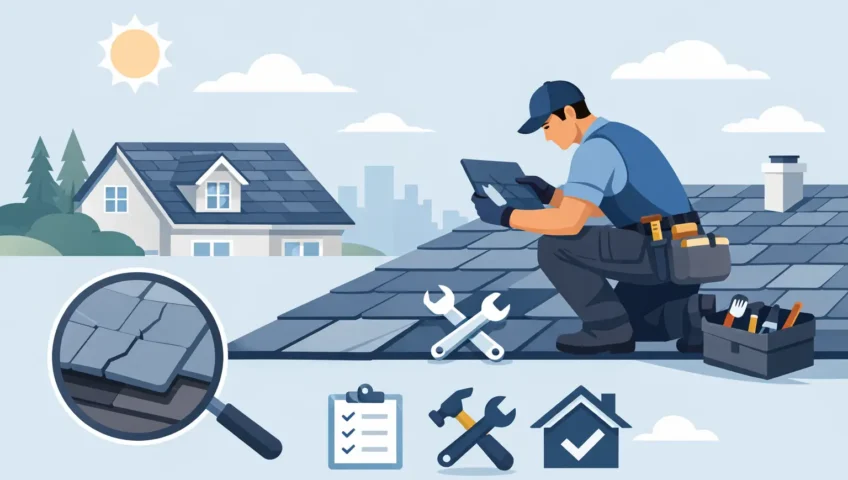
A slipped slate rarely stays a small problem for long. One missing piece can let water into the underfelt, timbers and loft space, and by the time you notice a damp patch indoors, the repair can be bigger than expected. That is why choosing a slate roof repair specialist matters. Slate roofs need a different standard of repair than modern tiled systems, and the wrong fix can do more harm than good.
Why a slate roof needs specialist repair
Slate is durable, attractive and well suited to many properties across Scotland, but it is not a roof covering that should be treated like any other. Each slate is fixed as part of a layered system, and repairs need to protect that pattern, maintain weather resistance and preserve the overall look of the roof.
A general roofer may be perfectly capable on some jobs, but slate repair calls for experience. Matching slate size, thickness and colour, identifying whether fixings have failed, and spotting wider issues around ridges, flashings and valleys all make a difference. A quick patch may stop a leak for now, but if the surrounding slates are disturbed or poorly secured, you can end up paying twice.
On older properties, there is another factor. A slate roof often forms part of the character of the building. Poor workmanship stands out immediately, and over-aggressive repairs can shorten the life of a roof that could otherwise have been sensibly maintained for years.
Common problems a slate roof repair specialist deals with
Not every slate roof problem means the roof is failing. In many cases, the issue is local and repairable if caught early.
One of the most common faults is slipped or missing slates. This may happen because fixings have corroded over time, storm damage has lifted sections, or previous repairs were not carried out properly. A single slipped slate can expose the courses below it and allow water to track into vulnerable areas.
Cracked or broken slates are also common, especially on roofs exposed to strong wind and driving rain. Sometimes the slate itself is at fault. Sometimes foot traffic, poor access work or impact damage is the real cause. A proper inspection should tell you which it is.
Nail sickness is another issue seen on ageing slate roofs. This happens when the original nails begin to corrode and fail, causing slates to loosen even if the slate itself is still sound. In those cases, a repair specialist needs to decide whether isolated repairs are worthwhile or whether the roof has reached a stage where more extensive work is the better investment.
Lead flashings, ridge details and chimney abutments can also be responsible for leaks that are wrongly blamed on the slate itself. That is why diagnosis matters. If the leak is coming from failed flashing or a weak valley detail, replacing random slates will not solve it.
What a good slate roof repair specialist should assess
A reliable contractor should do more than point at the obvious defect. They should look at the roof as a whole and explain what is causing the problem, what needs immediate attention, and what can be monitored.
That includes the age and condition of the existing slate, the state of the fixings, how widespread the damage is, and whether the surrounding roofline is contributing to the problem. Gutters that overflow, defective pointing, damaged soffits or blocked valleys can all put extra stress on a slate roof.
You also want a clear view on repair versus replacement. Honest advice matters here. Some roofs only need targeted repairs and maintenance to stay serviceable. Others are beyond economical patching, particularly if the failures are widespread. A trustworthy contractor will explain the difference rather than pushing the most expensive option by default.
For many property owners, cost is a major concern, and fairly so. The right repair can save substantial money compared with a full reroof. But cheap work that ignores the actual cause of the issue is rarely good value.
Repair or replacement – when does it make sense?
This is where experience really shows. A slate roof repair specialist should not treat every leak as a replacement job. If the roof structure is sound and the problems are limited to a section, repair is often the sensible route. Replacing slipped slates, renewing localised leadwork and dealing with small areas of failure can add useful life to the roof without the disruption and expense of a full strip and re-cover.
That said, there are cases where repeated repairs stop making financial sense. If nail sickness is widespread, large numbers of slates are failing, or the understructure has been affected by long-term water ingress, ongoing patch repairs may become a false economy. The right advice is based on condition, not sales pressure.
For homeowners, landlords and property managers, this balanced approach matters. You want to protect the building, control costs and avoid unnecessary work. In many situations, a practical repair plan can buy years of performance when completed properly.
Signs you should call a slate roof repair specialist quickly
Some roof faults give very little warning. Others are visible if you know what to look for.
If you notice slates on the ground after high winds, damp patches on upper ceilings, staining near chimney breasts, visible gaps in the roof covering, or loose material in the gutters, it is worth arranging an inspection. Moss build-up can also hide defects and trap moisture in areas that are already vulnerable.
Older properties deserve particular attention after storms. Slate can remain in place while the fixings beneath begin to fail, so a roof may look acceptable from ground level while sections are becoming unstable. Getting the roof checked early can prevent internal damage and higher repair costs later.
In areas such as Glasgow, Hamilton and across Lanarkshire, weather exposure is a genuine factor. Driving rain, wind and repeated freeze-thaw conditions put pressure on any roof, and slate roofs are no exception. Fast action after visible damage is always cheaper than waiting for water to find its way inside.
What to expect from the repair process
A professional repair should start with inspection and diagnosis, not guesswork. You should be told what has failed, why it has failed, and what work is recommended. A free written quote is useful because it gives you clarity on scope and cost before any work begins.
The repair itself may involve replacing damaged slates with suitable matches, securing loose sections, renewing leadwork, addressing ridge or verge issues, and checking nearby roofline components that affect drainage. Good workmanship should aim to blend with the existing roof rather than leave obvious patchwork.
Safety and access also matter. Slate can be damaged by careless movement, so roof access should be handled properly. This is one reason specialist knowledge pays off. The job is not just about replacing a piece of stone. It is about protecting the roof around it.
A dependable contractor should also be straightforward about guarantees, likely lifespan of the repair and any follow-up maintenance worth considering. If there are broader issues developing, you should know now, not months later after another call-out.
Choosing the right contractor for your property
When comparing roofers, look beyond the headline price. Ask whether they have direct experience with slate repair, whether they provide written quotations, and whether they can explain the cause of the issue in plain terms. Reviews, guarantees and a clear local reputation all help build confidence.
A family-run contractor with broad roofing experience can be a strong choice, especially if they also handle related repairs such as guttering, leadwork and roofline issues. That joined-up approach often saves time and avoids the problem of one trade blaming another.
Varey Contracts Ltd works with property owners across Glasgow, Hamilton and surrounding areas, carrying out practical roof repairs with a focus on honest advice, fast response and cost-effective solutions. For customers trying to avoid unnecessary replacement costs, that kind of service-led approach is often exactly what is needed.
The best time to deal with slate roof problems is before they become internal ones. If your roof is showing signs of wear, damage or leaks, getting an experienced opinion now can save a great deal of money, stress and disruption later.

