

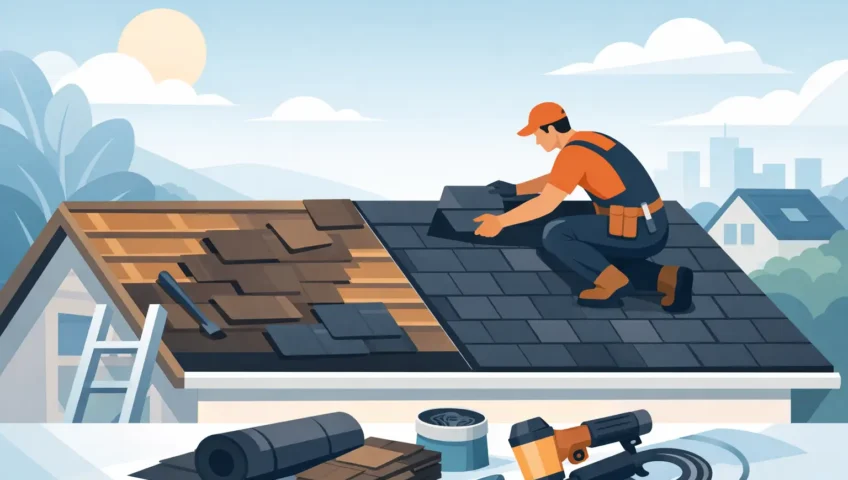
A roof rarely fails all at once. More often, it starts with a slipped slate after heavy wind, a damp patch in the loft, moss holding moisture on the surface, or guttering that can no longer cope in bad weather. That is why a proper guide to domestic roof renewal matters. If you act at the right time, you can avoid bigger structural problems, protect the value of your home, and often save money by choosing the right level of work rather than rushing into a full replacement.
For many homeowners, the hardest part is knowing whether the roof needs repairs, restoration, coating work, or complete renewal. The answer depends on the age of the roof, the material, the extent of wear, and whether previous repairs have actually dealt with the cause of the problem. A sound inspection should always come first.
What domestic roof renewal actually means
Domestic roof renewal does not always mean stripping everything back and starting again. In some cases, it does. In others, renewal can involve replacing the worst affected sections, upgrading underfelt and battens, renewing flashings, improving ventilation, and fitting new tiles or slates where needed.
That difference matters because homeowners are often told they need a new roof when the issue may be more localised. Equally, patching the same areas year after year can become false economy if the wider roof structure is tired. A good contractor should explain the condition clearly and give you a practical recommendation based on the roof in front of them, not a one-size-fits-all sales pitch.
Signs your roof may be due for renewal
Some warning signs are obvious. Active leaks, missing tiles, cracked ridge lines, damaged leadwork and sagging sections all need attention quickly. Others are easier to miss until the damage spreads.
If you are finding repeated water ingress after storms, noticing daylight in the loft, seeing staining on ceilings, or spotting debris from tiles and mortar in the gutters, your roof may be moving beyond simple maintenance. Moss build-up on its own does not always mean renewal is needed, but heavy growth can trap moisture and highlight an ageing roof that is no longer shedding water properly.
Age is another factor. Many older slate and tile roofs across Glasgow, Hamilton and the surrounding areas still perform well, but they do not last forever. Exposure to wind, frost and driving rain in Scotland puts constant pressure on roof coverings and the supporting components underneath. Even if the outer material still looks reasonable from ground level, the underlay, fixings and mortar can be at the end of their serviceable life.
Guide to domestic roof renewal: repair or replace?
This is the question most property owners want answered first. The honest answer is that it depends on the balance between current damage, expected lifespan and future cost.
Repairs make sense when the problem is isolated. A few slipped slates, localised storm damage, minor flashing defects or an issue around a chimney can often be resolved without major renewal work. If the rest of the roof is in good order, a repair is usually the most cost-effective route.
Renewal becomes the better option when defects are widespread. If multiple areas are failing, water is getting past the covering in more than one place, or the roof has already had several patch repairs over the years, the cost of continual fixes can quickly add up. At that stage, more extensive work gives you better long-term value and greater peace of mind.
This is also where experience counts. A family-run roofing contractor with a strong repair background will usually be more realistic about whether a roof can be restored sensibly. That matters because many customers want to avoid the expense of full replacement if a well-planned repair and coating solution can still give years of reliable service.
The main types of roof renewal work
The right solution depends on the roof type and the condition found during inspection. For slate roofs, renewal may involve replacing broken or delaminated slates, upgrading fixings, renewing ridges and checking the underlying structure. For tiled roofs, there may be cracked tiles, failing mortar verges or worn felt beneath the covering.
Flat roofs are a separate category. If you have persistent ponding, splits in the membrane, lifting at the edges or recurring leaks around joints, it may be time for a new waterproof surface rather than more temporary repairs. In some cases a flat roof can be overlaid, but where the deck beneath is compromised, a fuller renewal is the safer route.
Roofline elements should not be ignored either. Guttering, soffits and fascias all support roof performance by managing water and protecting exposed edges. If they are defective, even a decent roof can start suffering from avoidable moisture problems.
Materials matter, but fit for purpose matters more
Homeowners often ask which roofing material is best. There is no single answer. Natural slate offers a traditional appearance and long life, but it comes at a higher cost. Concrete or clay tiles can be a strong, practical choice depending on the property style and pitch. Modern flat roofing systems can deliver reliable performance when installed properly.
The best material is usually the one that suits the building, your budget and the local weather exposure. In many Scottish properties, durability in high winds and heavy rain matters just as much as appearance. A cheaper option that needs more maintenance later is not always the bargain it first seems.
A good contractor should also consider how new materials tie in with existing features. Roof renewal is not only about replacing what is damaged. It is about making sure the whole system works together, from ventilation and underlay to flashings and drainage.
What affects the cost of domestic roof renewal?
Cost depends on roof size, access, material choice, the amount of structural work needed and whether scaffolding is required. A straightforward renewal on a simple pitched roof will cost less than work on a large detached property with multiple valleys, chimneys and awkward access points.
The level of hidden damage also plays a part. Until coverings are inspected properly, it is not always possible to know whether battens, underfelt or timbers need replacement. That is why a written quote based on a proper survey is important. It gives you a clearer picture of what is included and reduces the chance of surprises once work begins.
It is also worth thinking beyond the headline price. A cheaper quote may leave out important items such as waste removal, ridge work, lead flashings or guarantees. The better comparison is overall value – quality of workmanship, what is being renewed, how long the job should last, and how responsive the contractor will be if you need support afterwards.
Choosing the right contractor for roof renewal
Roof renewal is not a job to hand to the first name you find. You want a contractor who can explain the condition of the roof in plain language, offer realistic options and provide a free written quote without pressure.
Look for evidence of recent domestic roofing work, clear guarantees and a team that handles both repairs and renewals. That usually gives you a more balanced view of what your property actually needs. Fast response also matters, especially if the roof is already leaking or storm damage has left it exposed.
For homeowners and landlords, local knowledge can make a difference too. Contractors working regularly across Glasgow, Hamilton and Lanarkshire understand the weather conditions, common roof types and the kind of wear these properties take over time. That tends to lead to more practical recommendations and better aftercare.
How to prepare for a roof renewal project
Once you have agreed the work, a little preparation helps the job run smoothly. Ask how long the work is expected to take, whether scaffolding will affect access, and if there will be any periods when parts of the roof are opened up. If you have loft storage, it is sensible to protect belongings from dust and minor debris.
You should also ask what happens if additional issues are uncovered once work starts. The right contractor will talk you through that process upfront rather than springing extra costs on you without explanation.
Communication matters just as much as workmanship. A reliable team keeps you informed, turns up when agreed and leaves the site safe and tidy at the end of each day.
When acting early saves the most money
The biggest mistake most property owners make is waiting too long. Roof problems rarely become cheaper with time. Water ingress spreads, timbers stay wet, insulation suffers and internal repairs soon follow. What might have been a manageable repair or partial renewal can turn into a much larger bill.
That does not mean every ageing roof needs immediate replacement. It means getting it checked before small defects become major ones. An honest inspection gives you options. You may find the roof only needs targeted repair work and maintenance. Or you may confirm that renewal is the smarter investment before repeated issues start costing you more.
If your roof is showing its age, has already had several repairs, or you simply want clarity on its condition, the sensible next step is a professional assessment from an experienced local team such as Varey Contracts Ltd. A well-timed decision now can protect your home for years and spare you the stress of dealing with avoidable damage later.


